Reverse Osmosis has been among the top talked about methods to treat water in the home, but many people who research it are coming from the same spot that they don’t know the exact contents of their water, and they’re not certain whether their issue requires more than simple filters and have seen diverse prices for what appears to be the same item.
This guide will explain the reverse osmosis maintenance process is, how it works, who is in need of one, the price it will cost in the real world and the best way to avoid making the blunders that can shorten the life of a system or waste money on capabilities that you don’t require.
What Is a Reverse Osmosis Maintenance Filter?
A reverse osmosis maintenance system (also known as an RO system) cleanses the water through semipermeable membranes with pressure. The membrane’s pores are narrow enough to block dissolved salts, heavy metals, as well as organic contaminants and allow water molecules to flow through them freely.
It’s the result of two distinct streams: purified water (often known as permeate) that flows to your tap, and a concentrated stream that carries the material that has been filtered out down the drain.
This technology is also known as an RO water filtration RO membrane filter also known as reverse osmosis maintenance or reverse water filtering system — all of which are all referring to the same method.
Why Reverse Osmosis Matters?
The majority of filters used in homes rely on activated carbon. It works great in enhancing taste and removing chlorine; however, carbon by itself doesn’t have the ability to handle dissolved solids such as arsenic, fluoride, or a variety of salts. Reverse osmosis maintenance is among the few methods accessible to consumers that tackle both of these categories in one step.
It is most important for two distinct groups: homeowners who have private wells, where the contaminants differ widely and are often without being tested for a long time as well as anyone who lives located in an area where there is confirmed lead, arsenic or PFAS-related concerns within the municipal supply.
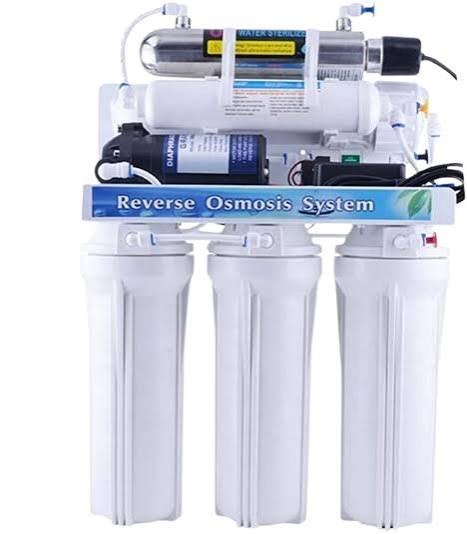
It’s important to make clear what the majority of product pages ignore: RO isn’t generally approved as a method that is used alone for disinfecting viruses and bacteria. If there is a real risk to the water supply, RO should be used in conjunction with ultraviolet treatment, or another disinfection process that is not solely relied upon.
How Reverse Osmosis Maintenance Works?
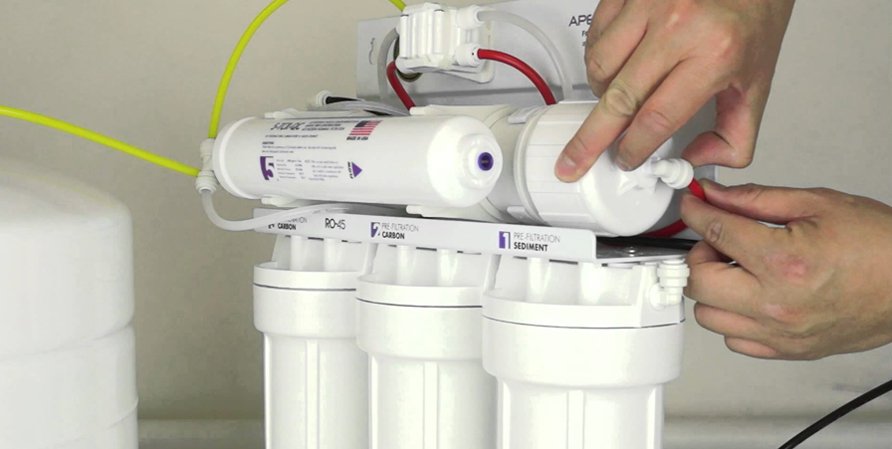
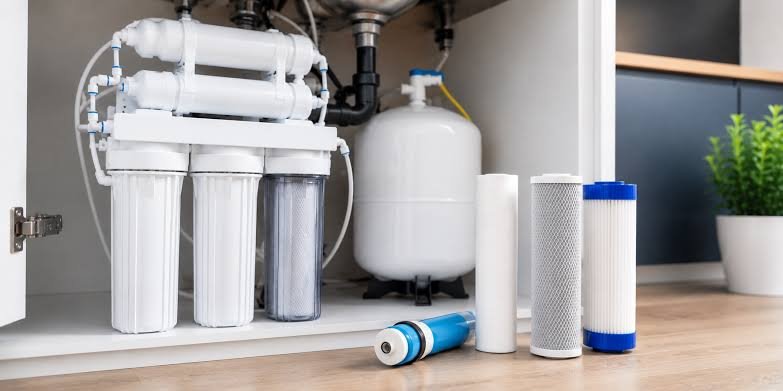
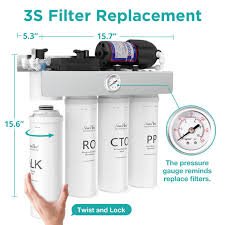
An RO system typically flows water through five steps before it gets to your glass:
- The sediment filter is able to remove dirt, rust, and other particles that could cause a blockage to the membrane.
- The carbon pre-filter is able to remove chlorine and chloramines. These could degrade the membrane when left untreated.
- RO membrane — the central stage at which pressurized water flows through the composite membrane and any dissolved contaminants are filtered out.
- Tank for storage — stores purified water at a pressure that ensures it is ready to use upon demand (tankless systems do not have this feature and instead create water when needed through a pump booster).
- Carbon post-filter -the final polishing stage which improves the taste of water before it gets to the faucet.
Each stage helps protect the next one. Don’t bother with the pre-filters, then the membrane wears much faster than it should — and this is the most frequent reason RO systems aren’t performing as they should over their longevity.
Types of Reverse Osmosis Maintenance Systems
Each household may not need the same setup. The best type of setup is contingent on the number of taps that require treated water as well as the severity of the water-source issue.
- Systems for under-sink plumbing are the most commonly used residential option that is connected to the water lines using one faucet that is specifically installed at the sink.
- The whole-house (point-of-entry) reverse osmosis maintenance system is designed to treat each faucet in the home and is usually reserved for situations when water quality issues, such as a high TDS in private wells, can affect the whole property.
- A tankless system can produce water on demand by using an auxiliary pump rather than storage tanks, which are typically smaller and more efficient in water use.
- Countertop or portable units — connect via a faucet adapter, no installation required, a good fit for renters.
Reverse Osmosis Maintenance and Different Filtration Techniques
- Method Removes dissolved solids Removes chlorine/taste Eliminates viruses and bacteria Waste of water
- Reverse Osmosis Maintenance Yes Yes Partially, not standalone Moderate-high
- Carbon Activated No Yes No None
- Water softener Minerals that are hardness-related are the only ones that can be used. No No Low
- UV purification No No Yes None
- Distillation Yes Yes Yes High (energy)
If the only issue you have is the chlorine taste, carbon can help you solve it with less expense and without wasting water if you’re facing arsenic, nitrates or fluoride, or any other substance that has a high TDS reverse osmosis maintenance typically the best option.
What Reverse Osmosis Maintenance Removes — and Where It Falls Short?
e.g., chloramines, as well as various PFAS chemicals, when they are certified. On reverse osmosis maintenance systems are effective against lead, arsenic and copper, as well as chromium and copper the nitrates fluoride, and chlorinrding up to the NSF/ANSI.
However, Reverse Osmosis Maintenance also strips out important minerals such as calcium and magnesium, as well as harmful toxins. That’s where the “dead water” criticism comes from. Certain people notice a more pleasant taste of water because of this. A Remine ralization process added following the reverse osmosis maintenance membrane can address this issue in the event that it is a problem for you.
It’s also worth looking into the certification details rather than simply assuming that a system is all-encompassing. NSF/ANSI 58 regulates the general performance of reverse osmosis maintenance systems 42 is concerned with smell and taste 53 addresses the reduction of health-related contaminants, and the 401 section covers emerging contaminants such as certain PFAS and pharmaceuticals. Outside of the U.S., look for similar regional certifications as the standards bodies vary by country.
Installation: DIY or Professional
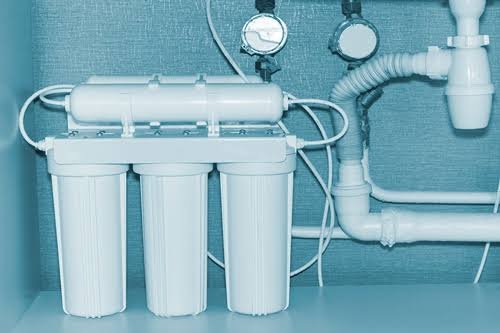
Under-sink systems are usually installed by homeowners within a couple of hours. Shut off cold water, set up an adapter for feeding, install the tank and filter housings, then join the drain saddle over the trap for your sink, and finally flush the system according to the manufacturer’s instructions prior to use.
Whole-house systems are an entirely different situation. They are typically connected to main water lines. They may require permits, based on the local plumbing codes, and should be entrusted to a licensed professional both to ensure code compliance and because a squatter-sized entire-house system isn’t performing as well.
A good guideline:
If you’re familiar with plumbing basics and your system is located under the sink, and you’re able to do it yourself, then DIY is a good idea. If the house is a complete one or you’re unsure of the requirements of your local code, seek out a professional estimate first.
What It Actually Costs?
The sticker prices are only a small part of the equation. Most buyers are surprised later with continuing costs, rather than by the initial purchase.
- Under-sink unit: $150-$600
- Tankless tanks: between $600 and $400
- Systems for the whole house cost from $2,000 to $10,000, depending on the capacity and size of plumbing.
- Costs for professional installation are between $150 and $500 to install the sink, and $3,000-$1,000 for the rest of the house. Reverse Osmosis Maintenance every year (filters and occasionally membrane replacement) is approximately $100-$300
These are estimates based on industry averages instead of fixed figures. Prices can vary substantially by region, influenced by local labor costs as well as the cost of importation of equipment and the amount of pretreatment the water source requires. Finding some local estimates is the best method of obtaining the precise estimates for your location.
Maintenance and Warning Signs
A reverse osmosis maintenance system will be able to perform for years without fail, but it requires to be monitored on a regular basis:
- Replace carbon and sediment pre-filters every 6-12 months.
- Renew this RO membrane every 2 to 5 years, based on the quality of the water source and the amount of usage
- Replace the post-filter at least every 6 to 12 months
- Clean the tank every year
- Examine the drain line and air gap faucets if the flow decreases significantly
In the event that you observe a drastic decrease in taste and flow, do not wait until the calendar to show up — it’s typically the membrane or reverse osmosis maintenance that is telling you that it’s time to change, regardless of the date you last updated the membrane or filter.
Common Mistakes That Shorten System Life
- Pre-filter replacement is not done, which can increase wear on the membrane.
- Not noticing the air gap, which can create the risk of backflow.
- Buying according to the GPD (gallons per day) rating on its own without considering how temperature and pressure impact actual output.
- Assuming RO is completely clean instead of confirming the certificate against the specific contaminants you are concerned with.
- Not conducting a water test prior to purchasing can result in buying capacity that is either too high or too low.
- Installing a system for the entire house without confirming the local permits.
How to Decide What You Actually Need?
The most reliable place to start is to test the water you drink by either the municipality’s Consumer Confidence Report or an accredited lab test if you’re on a well. From there:
- If you’re renting and require mobility, a countertop unit is a good idea.
- If you own a house and only require clean water for cooking and drinking, an under-sink system is the most common option.
- If water quality issues pop up in every faucet, which is common in wells that have problems, the house-wide system is a worthy cost.
Make sure the certification matches the actual contamination, scale the system in relation to your family’s usage patterns, and budget reverse osmosis maintenance as a true regular expense that is not just an added expense.
Are reverse osmosis maintenance water sources suitable for long-term consumption? (FAQs).It’s generally considered safe; however, it takes away essential minerals- something that you can mitigate by a remineralization filter, or a diet plan if there’s an issue.
What is the reason reverse osmosis maintenance water is sometimes referred to as “dead water”?
The membrane is able to remove the dissolved minerals such as magnesium and calcium as well as the toxins, some find to be more pleasant tasting water. It’s not a health concern but a taste and mineral content trade-off.
Does reverse osmosis maintenance eliminate viruses and bacteria?
Some membranes are able to reduce certain microorganisms; however, RO typically isn’t a certified disinfection process that can be used on its own. It is recommended to use it in conjunction with UV treatment in case microbial contamination is a serious problem for the water you use.
Is the amount of water re-osmosis waste?
Traditional systems use three to four gallons of water source for every gallon of water that is purified. Modern tankless models and high-efficiency models decrease the ratio considerably.
Do I require an entire-house system, or is an under-sink sufficient?
Under-sinks are designed to cover cooking and drinking water exclusively. Whole-house systems are a sensible option when contaminants impact every faucet inside the home and are common in problems with private wells.
Is reverse osmosis maintenance able to eliminate fluoride?
RO is among the few methods for residential use that can be relied upon to reduce fluoride levels, as well as distillation and other Ion exchange systems.
Do I require approval to set up a complete RO system?
In most cases, yes, because it is connected to the principal water lines. The requirements vary for each municipality, so make sure you check the local plumbing codes prior to installing and think about an expert licensed to perform the job.
When should I change RO filtering?
Post- and pre-filters are typically replaced every 6-12 months, while the membrane itself is replaced every 2-5 years, based on the quality of your water source and the quantity of water you use for your household.
Conclusion
Reverse osmosis maintenance is one of the most efficient methods to tackle a variety of water contaminants in the home, but it’s also not an all-purpose purchase. The homes that reap the most value test the water before they purchase, then match the type of system and the certification with what they require, and set a realistic budget for the installation and ongoing revers osmosis maintenance, not just the initial cost. Start by taking the water test, then check it with the certified systems and types described here, and request some local estimates prior to committing to a particular configuration.
These information about Projector Mount are gathered from different surveys, medical tests and tech giants like Techradar and more. Our top priority is to provide you valuable information.
For More Details About Different water filterClick Here