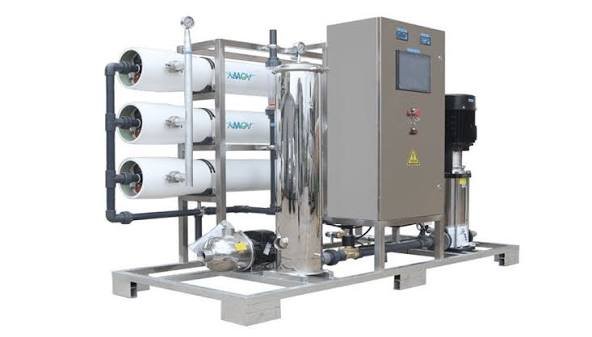
Water filtration maintenance is the continuous care for a filtration system. It involves changing the cartridges, cleaning the parts, sanitizing tanks, and ensuring that it can continue to remove contaminants exactly as it’s supposed to. The majority of people install a water filtration maintenance system and then forget about it, which is where the problems begin.
Each water filtration maintenance system, regardless of whether it’s a $15 pitcher filter or a full-house reverse osmosis unit, has a limit for the filtering medium. Once the media has reached its capacity, it won’t stop working. In some instances, it starts making a difference, either by releasing trapped pollutants back into your water or by becoming a place to breed bacteria. This is the area that guides typically do not provide.
This guide provides the essentials of water filtration maintenance, including how often you need to do it, what it will cost, and the best way to decide if you’d rather tackle the task yourself or call a specialist.
Why Water Filtration Maintenance Actually Matters?
A poorly water filtration maintenance causes three distinct issues: it ceases to filter effectively, and it may cause a bacterial infection in your home. In certain situations, it releases contaminants back into the water supply. Water treatment experts describe this scenario as a “breakthrough,” and it’s one of the most overlooked hazards in home water treatment.
Beyond security, there’s also the performance angle. A sediment filter that is blocked or an exhausted carbon cartridge can dramatically lower the pressure of water and allow the chlorine smell and taste to creep back in. From a cost perspective, it’s significantly less costly than replacing a whole system that’s run through the ground.
For restaurants, businesses, as well as healthcare facilities and rentals, it’s the compliance layer. Most jurisdictions require documentation of water safety procedures; if they are not documented, an untreated filtration system could be risky during inspections.
Who Needs a Maintenance Routine?
Nearly anyone with a filtration system benefits from a routine, but the intensity varies:
- Homeowners who live in areas with municipal water generally require minimal regular maintenance, which is usually cartridge replacements.
- Homeowners who own well water generally have to contend with higher iron, sediment, and bacterial loads. Therefore,water filtration maintenance must be performed more often and monitored closely.
- Property managers and landlords are responsible for the maintenance of their properties, and the fact that tenants move out is a challenge for tracking the history of maintenance.
- Food service and restaurant operators frequently have several systems (ice machines, RO systems) under the direct scrutiny of health codes.
- Healthcare facilities usually need documented, sometimes professionally certified, maintenance logs.
- Types of Filtration Systems and What They Need
- Different filters are not the same age. The maintenance schedule differs based on what’s within the housing.
- Sediment filters physically capture particles such as rust, sand, and silt. They’re maintained with simple replacement of the cartridge, typically triggered by a drop in pressure.
- Carbon filters containing activated carbon absorb chlorine, as well as volatile organic compounds and odor-causing chemicals. The tricky part is that carbon’s saturation occurs in a slow manner, often without obvious warning, until the taste or smell is restored.
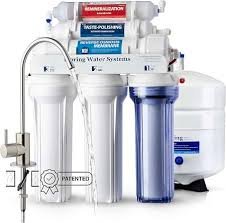
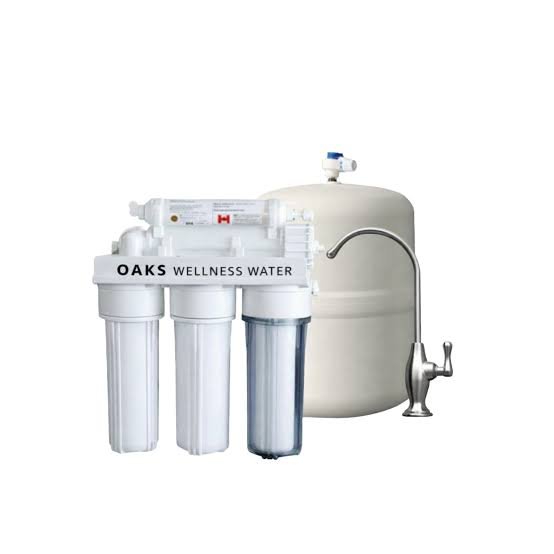
Reverse Osmosis (RO) systems;
- Contain multiple stages that comprise pre-filters for sediment, a carbon pre-filter, a semipermeable Membrane, as well as a carbon post-filter.
- Water filtration maintenance is the process of keeping on top of each stage in turn and regularly cleaning the tank that stores the water.
- The water softeners employ ion exchange, instead of filtration; however, they’re often paired with filters. Water filtration maintenance centers are centered around salt refills and sometimes cleaning of the resin bed.
This UV-purification method utilizes the spectrum of ultraviolet light to destroy microorganisms. The UV bulb needs to be replaced each year, regardless of whether it does not light, because its power decreases prior to the bulb ceases to function completely.The entire-house (point-of-entry) systems take care of everything that comes into the home. They require less care than point-of-use units, but neglect is more damaging because the water supply to the entire household is pumped through it.
Countertop, under-sink pitchers, as well as refrigerator filters are point-of-use systems that have smaller capacity for filtering. This implies more frequent cartridge replacements when compared to full-house setups.
How Often to Replace or Service Each Component?
Component Typical Replacement Interval Overdue Warning Sign
- Sediment pre-filter 1–3 months Reduced pressure, cloudy water
- Carbon block filter 3–6 months Chlorine taste or odor returns
- RO membrane 2–3 years Rising TDS reading
- RO post-filter 6–12 months Slight off-taste
- Whole-house cartridge 3–6 months Pressure drop, visible sediment
- UV bulb 12 months Manufacturer-specified, regardless of appearance
- Water softener resin 10–15 years with proper salt maintenance Hard water symptoms return
- Pitcher filter 2–3 months or roughly 40 gallons Indicator light, slow flow
- Refrigerator filter 6 months Reduced flow, taste change
These are general ranges. Actual intervals are largely dependent on the amount of household water used and the local water hardness and whether you’re using municipal or well water. A greater frequency of use or more difficult water forces you to use less in each period.
Prior to following any general advice, always refer back to your system manual for details regarding specific parts and service intervals recommended by the manufacturer.
Before opening any filter housings, stop the water supply to the valve first.
- Open nearby faucets briefly in order to release any remaining pressure in the pipe.
- Take time to inspect old cartridges – their coloration, sediment buildup, or smell can provide important clues regarding water quality. Clean the housing using mild soap and rinse well afterwards before checking O-rings to see if any have cracked or show signs of wear and tear. Carry out regular water filtration maintenance on storage tanks and RO systems, usually once every year.
- This is done using a sanitizing product that is safe for food.
- Replace the cartridge with the exact number of parts. The wrong cartridge could block the filter completely instead of enhancing it.
- Reassemble the housing, and gradually restart water flow, examining each seal for leaks as you move.
- The system should be flushed for the manufacturer’s recommended time, typically 5 to 15 minutes, to remove carbon particles and trapped air.
- Record the date so you’ll be able to see it later in the future, whether it’s a cell phone reminder, a spreadsheet, or even a notepad taped in cabinets.
- Check the quality of your water regularly using a TDS Meter for RO systems or a simple home test kit for general assurance.
- Most of it takes approximately 15 to 30 minutes once you have the model number and have the correct components in your inventory.
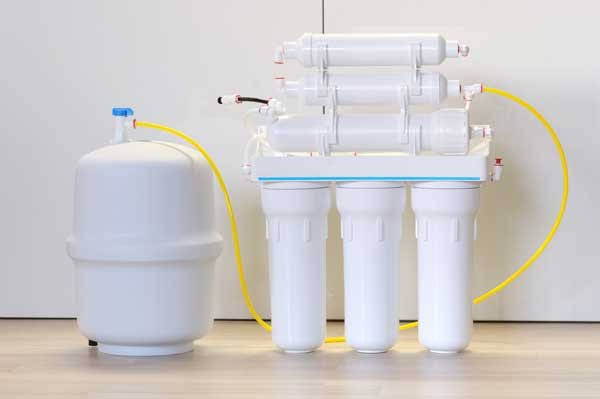
Signs Your Filter Needs Attention Right Now
A noticeable drop in water pressure or flow rate
- Chlorine taste or smell returning
- Cloudy, discolored, or gritty water
- A rising TDS reading on an RO system
- A musty smell coming from the storage tank
- An active indicator light on a pitcher or fridge filter
- Water taking noticeably longer to fill a glass or ice tray
One important caveat: carbon and sediment water filtration maintenance can stop working effectively before any of these symptoms show up. Flow rate often stays normal even after a filter’s contaminant capacity is exhausted, which is exactly why sticking to a schedule matters more than waiting for a warning sign.
DIY vs. Professional Maintenance
This is one of the more common decision points, and the right answer depends on your system and your water source.
DIY tends to make sense when:
- You have a pitcher, fridge, basic under-sink, or single-stage whole-house filter
- You’re on municipal water
- You’re reasonably comfortable with basic plumbing tasks
- You’d rather track intervals yourself than pay for scheduling
Professional service tends to make sense when:
- You’re running a multi-stage RO system, a UV system, or a whole-house setup paired with a softener
- You’re on well water filtration maintnance, where periodic professional testing is genuinely useful
- You run a restaurant, healthcare facility, or rental property that needs documented compliance
- You’d rather have a service contract handle reminders and parts
DIY maintenance costs less and gives you immediate control, but can come with real risks such as incorrect reassembly, missed leaks, and forgetting scheduled checks. Professional service offers certified testing, warranty protection, and documentation – which matters more for commercial environments than for single-family residences using city water.
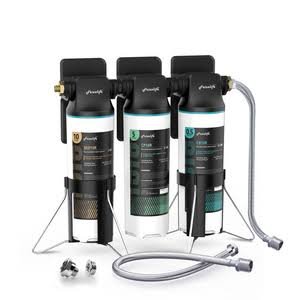
What Maintenance Actually Costs?
Item Typical Cost Range
- Single sediment or carbon cartridge $10–$40
- RO membrane replacement $30–$100
- Full RO filter set (all stages) $50–$150
- UV bulb replacement $30–$80
- Whole-house cartridge $20–$60
- Professional maintenance visit $75–$250
- Annual service contract $ 150- $ 400
These are general rates, and the actual price shifts depending on the region, local water hardness, labor rates, and the competition among providers. If you’re considering comparing “water filtration maintenance service near me” options, you should consider seeking out a few local quotes instead of thinking that a single national average is applicable to your situation.
Common Mistakes That Undercut Maintenance
- Going by feel instead of following the manufacturer’s actual interval
- Reusing worn or cracked O-rings, which leads to slow leaks
- Skipping the post-replacement flush, leaving carbon dust in the line
- Installing a mismatched or uncertified replacement cartridge
- Ignoring the storage tank on RO systems, which allows biofilm to build up over time
- Forgetting the UV bulb because the water still looks clear
- Never testing water quality after service, so you have no way to confirm the system is actually working.
- Delaying water filtration maintenance on well water systems, where contaminant loads tend to be higher and less predictable than municipal water
How Your Water Source and Region Change the Routine?
- Maintenance requirements vary across the world. Some regional factors affect the frequency at which you require servicing systems:
- Hard water zones increase the rate of scale buildup that reduces the strength of softener resin time of life and adds more load on sediment filters.
- Rural and well water regions typically have higher levels of iron, sediment, and bacterial load, which results in more frequent water filtration maintenance replacements as well as periodic testing by a professional.
- The heavy chlorination of municipal water is a great way to wear the carbon filters more quickly, as chlorine adsorption happens to be one of the primary tasks for carbon.
- Climates that are humid or coastal can increase the risk of biofilm and mold growth in storage tanks. This necessitates regular sanitizing.
- The older municipal infrastructure could cause more sediment, or even lead issues, making regular water filtration maintenance more important as well as more convenient.
- A look at your local water company’s annual report on water quality is an excellent start to determine the actual contaminants you’re removing.
Tools and Resources Worth Having on Hand
- A water filtration maintenance wrench for removing housings
- Replacement cartridges or membranes matched to your exact model number.
- A TDS meter, if you’re running an RO system
- A home water test kit, or access to lab testing
- A food-safe, NSF-certified sanitizing solution
- Flexible pliers and spare O-rings
- Simple water filtration maintenance logs are a good idea, regardless of whether they are application-based, a spreadsheet, or a paper calendar.
Standards and Certifications Worth Knowing
- Many organizations and rules determine the way in which products for water filtration maintenance are evaluated and maintained.
- The NSF/ANSI standard (such as 42, 53, 58, and 401) allows third-party verification for specific claims of reduction in contaminants.
- The WQA (Water Quality Association) certifies treatment products and, in some instances, technicians who maintain the products.
- The Environmental Protection Agency’s Safe Drinking Water filtration maintenance Act sets standards for municipal water quality across the U.S.
- The local health code is applicable to healthcare facilities, restaurants, as well as rental properties.
- It is essential to ensure that the cartridge you purchase has the exact NSF certification as the original. Third-party products that NSF hasn’t approved don’t have to meet the identical standards, even if they’re physically excellent.
Bringing It All Together
The maintenance of water filtration maintenance doesn’t have to be complicated when you know the basic pattern that follows: identify the system you have, observe its schedule, be aware of indications that something isn’t working, and then check periodically to ensure that the system is doing its job. The exact details vary based on whether you’re using a pitcher filter that costs $30 or an RO system for commercial use; however, the basic principle remains the same in all types.
Frequently Ask Question
What is the suggested frequency to change the water filter in my house?
Most household water filtration maintenance need to be replaced every two to six months, although sediment pre-filters could require periodic attention, and RO membranes may last for two to three years, depending on the water’s quality and use.
1.Do I have to clean the water filter instead of changing it?
Certain RO and sediment filter membranes are able to be rinsed for some time; however, the majority of cartridge-style filters, particularly carbon-based ones, aren’t made to be cleaned or reused. When they’re exhausted, they’ll need to be changed.
2.How will I feel if I don’t replace the water filters in my home?
A drained filter may cause bacterial growth and reduce its capacity to effectively filter and, in certain instances, release contaminants previously trapped into the water with lower pressure and eventual obstruction.
3.What can I tell whether my water filter is poor?
Be on the lookout for a decrease in flow and odor or taste that returns, cloudy water filtration maintenance, rising TDS reading on an RO system, or an indicator light on active if your unit is equipped with one.
4.Is the maintenance of well water filtration different from water that is filtered by city water?
Yes. Well water filtration maintenance generally has higher iron, sediment, and bacterial burdens that usually mean more frequent changes to filters, as well as periodic water testing by a professional, in comparison to treated municipal water.
5.What is the cost of water filtration maintenance each year?
Costs can range from $50 for a basic pitcher water filtration maintenance to hundreds of dollars per year for a full-house RO and softener unit with professional support.
6.Do the water filters in your fridge really need to be replaced?
Yes. Refrigerator water filtration maintenance are made of activated carbon, which gradually decreases its ability to absorb odor-causing compounds and chlorine every six months, no matter if the water appears and smells great.
7.Do I require an expert to maintain the water purifier in my home?
A basic fridge, pitcher, and single-stage water filtration maintenance for under-sinks are typically sufficient to ensure your safety. Multiple-stage RO systems, UV units, and entire-house systems, particularly with well water or in commercial settings, typically require professional water filtration maintenance and regular testing.
Conclusion
The effectiveness of a water filtration maintenance system can only be at its best if it is maintained. The media that water filtration maintenance and is effective at one is only able to last for a short time, and when that power is gone, your system could be a hindrance instead of working to help you. The good thing is that avoiding it does not require
much effort: learn the intervals of your model and keep a journal, look for indicators that signal early signs of trouble, and then decide in advance whether a professional or DIY service is appropriate for your circumstances. This is the whole routine that’s repeated over time.
These information about Projector Mount are gathered from different surveys, medical tests and tech giants like Techradar and more. Our top priority is to provide you valuable information.
For More Details About Different water filters Click Here